
Space Force kills OCX GPS ground control system, citing ‘insurmountable’ challenges
The Pentagon will instead continue with a current ground control system managed by Lockheed Martin.
The Pentagon will instead continue with a current ground control system managed by Lockheed Martin.
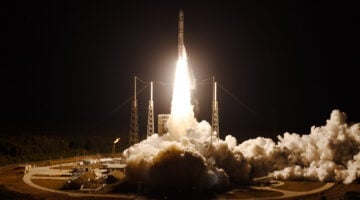
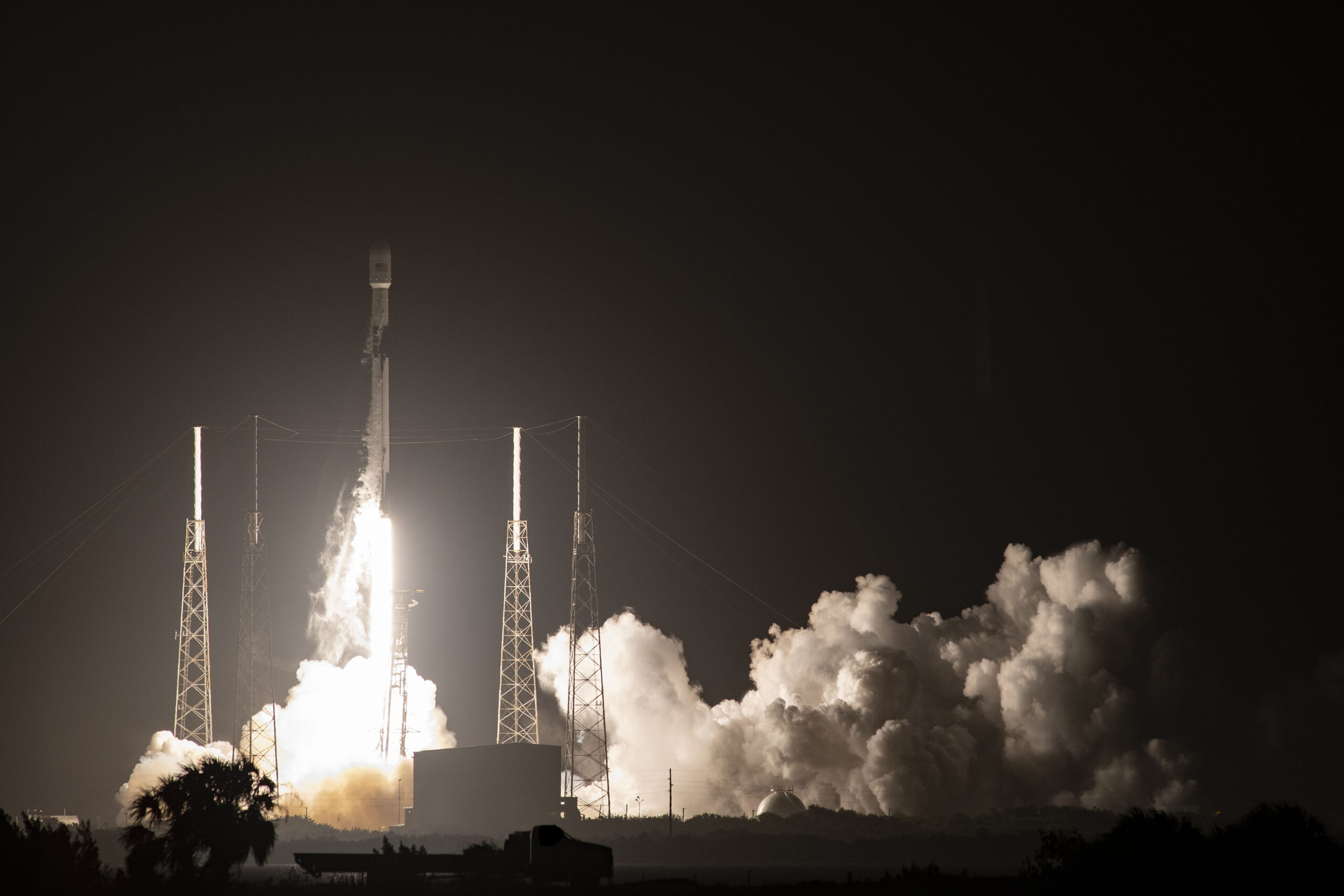
"We're still in the initial phases of that investigation, so we'll continue to to work with the United Launch Alliance and their suppliers to make sure we've got the right level of insight and understand where that investigation is headed," Col. Eric Zarybnisky said.


"Being able to tell the commander you don't need to do something is actually a pretty powerful message, as well."
A spokesperson for Space Operations Command (SpOC) explained that government-led testing now will commence, but that an updated operational acceptance date "is not yet available."

To make matters worse, the Defense Department is now facing down a possible shortage of microchips and processor cards to allow ground vehicles, ships and aircraft to access GPS at all, according to a new report by the Government Accountability Office.
Production of an E-7A Wedgetail aircraft has also slipped by a year, according to Air Force Secretary Frank Kendall.

"Big software developments fail," said Air Force space acquisition czar Frank Calvelli. "You have to go to smaller systems."

AI-enabled workflows accelerate production, but cybersecurity and governance remain central.
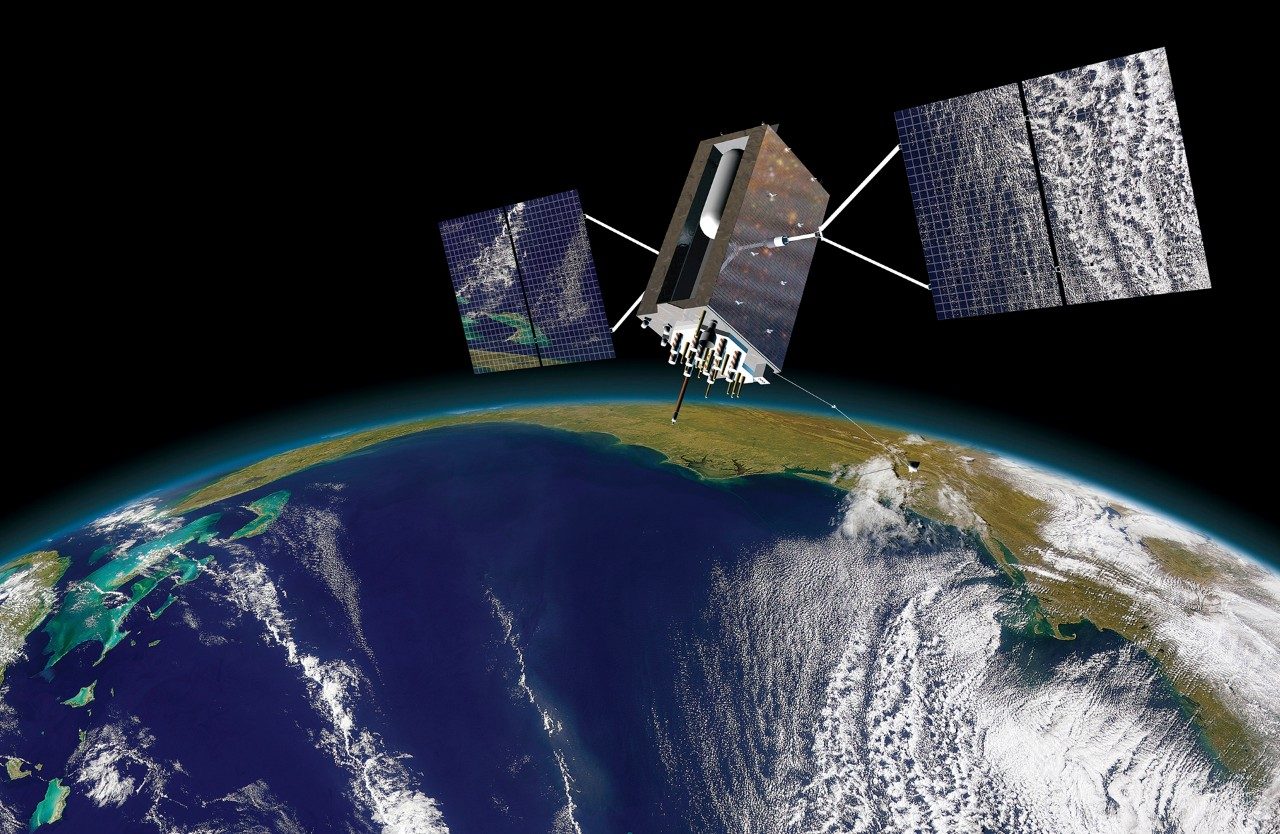
The Space Force has set contradictory requirements for the number of M-code capable GPS satellites, the Government Accountability Office found.

“These albatrosses [have been] dragging the department down for decades. This is the year we are going to get these programs delivered," said Frank Calvelli, space acquisition head.
In addition to providing new "tenets" for Space Force officials, "I'm really messaging three things to industry — that I really want them to give me credible proposals, and I really want them to execute, and I'm not going to tolerate poor performance," Frank Calvelli told Breaking Defense.

Some services have turned to commercial solutions for receivers as delays mount, report says.
Supply chains are only as strong as their weakest link, which has been repeatedly proven to be true over the last few years.
"OCX and the user equipment piece do not come online until the third quarter of 2023; that is when we would expect to have our initial operational capability for the GPS enterprise across across all segments: space, ground and user equipment," said Space and Missile Command's Col. Ed Byrne.

Once delivered and accepted, Space Force will own the OCX software-based ground system for GPS, not Raytheon.

SDA currently is primarily focused on "beyond-line-of-sight targeting for sensitive targets -- so, for ships and mobile missiles," Director Derek Tournear says, as well as for "advanced missile threats."
"I don't think we're at the position to know both what the demand is, but also where industry is going, what's the viable way to consider other orbits if we were asked to do," says Col. Robert Bongiovi, director of SMC's Space Vehicles Directorate.